Streamline Operations with Industrial Temperature Sensors: Unlocking Industrial Automation Benefits
Updated: Jul 21
Industrial operations demand precision, reliability, and efficiency. One critical factor in achieving these goals is accurate temperature monitoring. Industrial temperature sensors play a pivotal role in streamlining processes, reducing downtime, and enhancing safety. In this article, I explore how integrating these sensors can transform your operations and deliver measurable industrial automation benefits.
Understanding the Role of Temperature Sensors in Industrial Automation Benefits
Temperature sensors measure heat levels in machinery, environments, and processes. Their data feeds into control systems that adjust operations in real time. This capability reduces errors, prevents equipment damage, and optimizes energy use.
For example, in manufacturing, maintaining precise temperature ranges ensures product quality and consistency. In HVAC systems, sensors regulate climate control to save energy and maintain comfort. In chemical processing, they prevent dangerous overheating or cooling that could lead to hazardous reactions.
Using industrial temperature sensors enables:
Real-time monitoring for immediate response
Predictive maintenance to avoid unexpected failures
Energy efficiency through optimized heating and cooling
Improved safety by detecting abnormal temperature spikes
These benefits contribute directly to operational cost savings and increased productivity.

Selecting the Right Industrial Temperature Sensors for Your Needs
Choosing the correct sensor depends on your specific application requirements. Factors to consider include:
Temperature range: Ensure the sensor can handle the minimum and maximum expected temperatures.
Accuracy and precision: Higher accuracy is critical for sensitive processes.
Response time: Fast response is necessary for dynamic environments.
Durability: Sensors must withstand harsh industrial conditions such as vibration, moisture, and chemicals.
Output type: Analog or digital outputs must be compatible with your control systems.
Installation method: Surface mount, immersion, or contact sensors suit different setups.
For example, thermocouples are widely used for their broad temperature range and ruggedness. Resistance Temperature Detectors (RTDs) offer higher accuracy but at a higher cost. Infrared sensors provide non-contact measurement, ideal for moving or hazardous objects.
Consulting with sensor manufacturers or specialists can help identify the best fit for your operation.
Integrating Sensors with IoT for Enhanced Data Insights
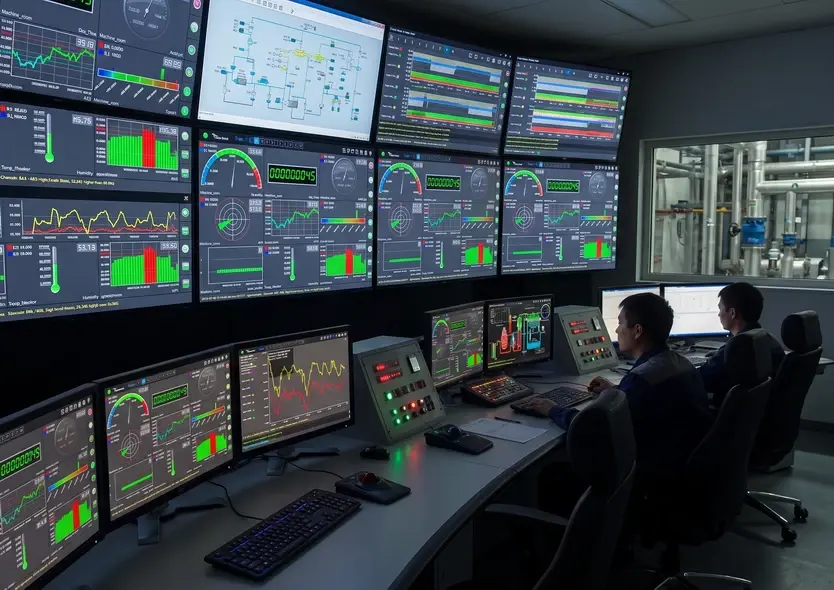
The integration of industrial temperature sensors with IoT platforms unlocks new levels of operational control. Wireless sensors transmit data continuously to cloud-based dashboards, enabling remote monitoring and analytics.
This setup supports:
Proactive maintenance by identifying trends before failures occur
Automated alerts for temperature deviations
Data-driven decision making through historical analysis
Scalability to add more sensors as operations grow
For instance, industrial temperature and humidity sensors connected to IoT networks provide comprehensive environmental data. This information helps optimize HVAC systems, protect sensitive equipment, and maintain regulatory compliance.
Practical Steps to Implement Temperature Sensor Solutions
Implementing an effective temperature monitoring system involves several key steps:
Assess your operational needs: Identify critical points where temperature impacts performance or safety.
Select appropriate sensors: Match sensor specifications to your environment and process requirements.
Plan installation: Determine sensor placement for accurate readings and ease of maintenance.
Integrate with control systems: Ensure compatibility with existing automation or IoT platforms.
Test and calibrate: Verify sensor accuracy and system responsiveness before full deployment.
Train personnel: Educate staff on interpreting data and responding to alerts.
Establish maintenance routines: Schedule regular sensor checks and recalibrations to maintain reliability.
Following these steps ensures a smooth transition to automated temperature monitoring and maximizes the return on investment.
Maximizing Operational Efficiency with Continuous Monitoring
Continuous temperature monitoring provides ongoing insights that static checks cannot match. It allows for:
Early detection of equipment wear or failure
Optimization of process parameters for energy savings
Compliance with safety and quality standards
Reduction of manual inspection labor
For example, in food processing, maintaining strict temperature control prevents spoilage and ensures product safety. In power plants, monitoring turbine temperatures helps avoid catastrophic failures.
By leveraging industrial temperature sensors, businesses can maintain tighter control over their operations, reduce waste, and improve overall efficiency.
Future Trends in Industrial Temperature Sensing
Advancements in sensor technology and data analytics continue to enhance industrial temperature monitoring. Emerging trends include:
Miniaturized sensors for integration into compact or mobile equipment
Wireless mesh networks for robust, scalable sensor arrays
AI-driven analytics to predict failures and optimize processes automatically
Energy harvesting sensors that reduce maintenance by powering themselves from ambient sources
Staying informed about these developments allows businesses to adopt cutting-edge solutions that further streamline operations.
Implementing industrial temperature sensors is a strategic move to enhance operational control and efficiency. By selecting the right sensors, integrating them with IoT systems, and maintaining continuous monitoring, businesses can realize significant industrial automation benefits. This approach supports proactive maintenance, energy savings, and improved safety, all critical for maintaining competitive advantage in demanding industrial environments.

Comments