Industrial Temperature and Humidity Sensors Explained: Industrial Automation Benefits
Industrial environments demand precise control and monitoring of temperature and humidity. These factors directly affect product quality, equipment longevity, and safety. I will explain how industrial temperature and humidity sensors work, their types, applications, and the benefits they bring to industrial automation.
Understanding Industrial Automation Benefits in Monitoring
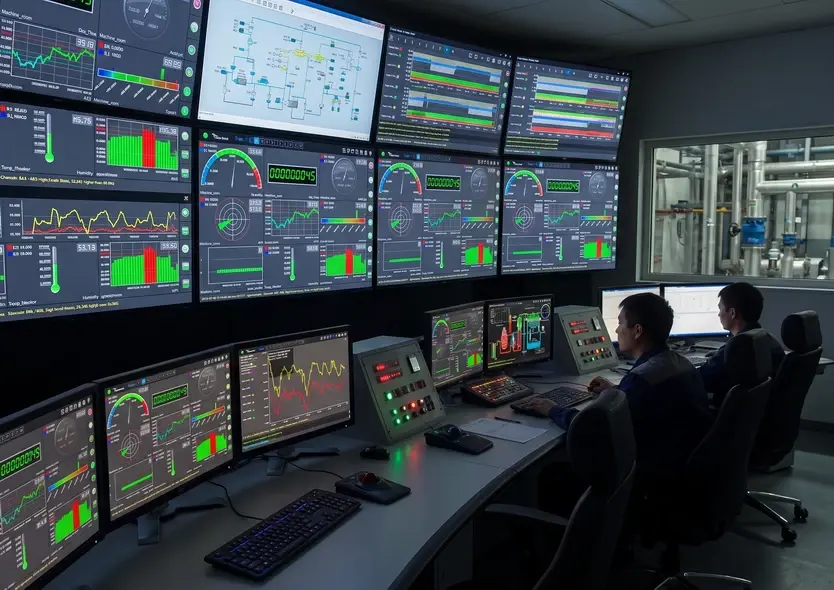
Automation in industrial settings improves efficiency, reduces human error, and enables real-time data collection. Monitoring temperature and humidity is critical in many sectors such as manufacturing, pharmaceuticals, food processing, and energy. Automated sensors provide continuous, accurate readings that help maintain optimal conditions.
The benefits include:
Improved product quality by maintaining consistent environmental conditions.
Reduced downtime through early detection of abnormal conditions.
Energy savings by optimizing HVAC and process controls.
Enhanced safety by preventing hazardous conditions caused by temperature or moisture extremes.
Integrating sensors into automated systems allows for proactive maintenance and faster response to environmental changes.
Types of Industrial Temperature and Humidity Sensors
Industrial sensors vary by technology, accuracy, and application. The main types include:
Temperature Sensors
Thermocouples
Measure temperature based on voltage generated at the junction of two metals.
Suitable for high temperatures and harsh environments.
Fast response time but moderate accuracy.
Resistance Temperature Detectors (RTDs)
Use the resistance change of metals like platinum to measure temperature.
High accuracy and stability over time.
Common in precision applications.
Thermistors
Semiconductor devices with resistance that varies significantly with temperature.
High sensitivity but limited temperature range.
Used in HVAC and process control.
Humidity Sensors
Capacitive Humidity Sensors
Measure humidity by detecting changes in capacitance caused by moisture absorption.
Durable and suitable for industrial environments.
Provide fast and accurate readings.
Resistive Humidity Sensors
Detect humidity by measuring resistance changes in a hygroscopic material.
Cost-effective but less stable over time.
Thermal Conductivity Humidity Sensors
Measure humidity by comparing thermal conductivity of dry and moist air.
Used in specialized applications.
Selecting the right sensor depends on the required accuracy, environmental conditions, and integration needs.

Installation and Calibration Best Practices
Proper installation and calibration are essential for reliable sensor performance. I recommend the following steps:
Location selection: Place sensors away from direct heat sources, drafts, or moisture that could skew readings.
Mounting: Use appropriate fixtures to secure sensors firmly without obstructing airflow.
Wiring and shielding: Use shielded cables to reduce electrical noise interference.
Calibration: Perform initial calibration against known standards and schedule regular recalibration to maintain accuracy.
Environmental protection: Use enclosures or coatings to protect sensors from dust, chemicals, or mechanical damage.
Following these practices ensures consistent data quality and extends sensor lifespan.
Integration with IoT and Data Logging Systems
Modern industrial setups benefit from connecting sensors to IoT platforms and data loggers. This integration enables:
Real-time monitoring accessible remotely via dashboards or mobile apps.
Data analytics to identify trends, predict failures, and optimize processes.
Automated alerts triggered by threshold breaches for immediate action.
Historical data storage for compliance and quality control audits.
Wireless sensor networks reduce installation complexity and enable flexible deployment in large or hard-to-reach areas.

Practical Applications Across Industries
Industrial temperature and humidity sensors serve critical roles in various sectors:
Pharmaceutical manufacturing: Maintain strict environmental conditions to ensure drug stability and compliance with regulations.
Food processing and storage: Prevent spoilage and contamination by controlling temperature and moisture levels.
HVAC systems: Optimize energy use and indoor air quality in commercial buildings and factories.
Electronics manufacturing: Protect sensitive components from moisture damage during assembly.
Energy production: Monitor conditions in power plants and substations to prevent equipment failure.
Each application requires tailored sensor selection and system design to meet specific operational demands.
Maximizing Sensor Performance and Longevity
To get the most from your sensors, consider these recommendations:
Routine maintenance: Clean sensors and inspect wiring regularly.
Environmental controls: Minimize exposure to corrosive agents or extreme conditions beyond sensor specifications.
Firmware updates: Keep sensor software current to improve functionality and security.
Redundancy: Use multiple sensors in critical areas to verify data accuracy and provide backup.
Training: Ensure staff understand sensor operation and troubleshooting procedures.
Implementing these measures supports reliable, long-term monitoring.
Final Thoughts on Industrial Monitoring Solutions
Accurate temperature and humidity measurement is foundational for efficient industrial operations. Leveraging industrial temperature and humidity sensors within automated systems delivers actionable data that drives quality, safety, and cost savings.
Choosing the right sensor technology, ensuring proper installation, and integrating with IoT platforms are key steps. Continuous monitoring and proactive maintenance reduce risks and enhance operational resilience.
Investing in robust sensor solutions aligns with the goal of achieving effortless, real-time monitoring and proactive maintenance for critical industrial processes.
Comments